
World Mental Health Day 2026 and why it is "Time to Prioritize Mental Health in the Workplace"

Updated: Oct 12
Tl;dr - Here are my thoughts, from a neurodivergent man's perspective. on World Mental Health Day 2026 -Saturday 10th October 2026.

Why This Year's Theme Matters
This year's World Mental Health Day theme, "It is Time to Prioritize Mental Health in the Workplace," shines a spotlight on something many neurodivergent people already know: our working environments can have a profound impact on our mental wellbeing.
For individuals with ADHD, autism, dyslexia, dyspraxia, Tourette syndrome, and other neurodivergent profiles, the workplace can be a source of purpose, achievement, and connection. However, it can also present significant barriers when environments, systems, and expectations are not designed with neurodiversity in mind.
Too often, workplace mental health initiatives focus solely on individual resilience rather than addressing the organisational factors that contribute to stress, burnout, exclusion, and poor wellbeing. Prioritising mental health means creating workplaces where everyone can thrive, not just cope.
What Neurodivergent Employees May Experience in the Workplace
Sensory overload from busy, noisy, or unpredictable environments
Pressure to mask neurodivergent traits to fit workplace expectations
Increased risk of stress, anxiety, and burnout from unsupported working practices
Misunderstood communication styles and social differences
Barriers to reasonable adjustments and flexible working arrangements
Stigma and misconceptions surrounding neurodivergent conditions
These challenges are not the result of individual shortcomings. They are often symptoms of workplace cultures and systems that have yet to fully embrace neurodiversity and inclusion.
Building Mentally Healthy Neuro-inclusive Workplaces
When organisations prioritise mental health, they create benefits for everyone. For neurodivergent employees, this can mean:
Accessible and inclusive workplace policies
Flexible ways of working that support different needs
Clear communication and expectations
Access to reasonable adjustments without unnecessary barriers
Psychological safety to be authentic without fear of judgement
Leadership that understands and values neurodiversity
Creating mentally healthy workplaces is not simply a wellbeing initiative. It is a commitment to inclusion, belonging, and recognising that diverse minds bring unique strengths, perspectives, and innovation.
What are the Statistics
As a neurodivergent Man myself - I am AuDHD and have Dyslexia and Dyspraxia, I can look at these sort of issues through through a lens and with years of both personal and professional experience. Sadly, men, and particularly neurodivergent men, are disproportionately affected by mental health issues and some of it's more serious consequences:
Three in four suicide deaths in England and Wales in 2023 were men.
Men had a suicide rate of 17.4 per 100,000, nearly three times the rate for women.
In fact, it’s the number one cause of death for men under 50.
Autistic individuals face between a 3-7 times higher risk of death by suicide, compared to neurotypical men (Hirvikoski et al., 2020)
People with ADHD have a 3.2 times higher risk of suicide death (Dalsgarrd et al., 2020)
It is thought that this risk is actually linked to unmet needs, stigma and systemic barriers and NOT the neurodivergence itself
A caring conversation—even from a stranger—can interrupt neagtive and suicidal thoughts!
What Can Help?
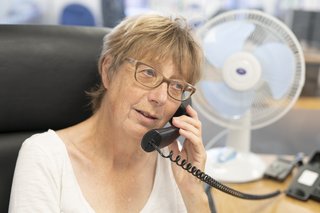
From various studies, we’ve learned that one simple act of connection can change everything. According to Samaritans, 60% of people with lived experience said their suicidal thoughts were interrupted by someone close to them, and 14% said it was by a stranger. Stopping to ask, “Are you okay?” or listening without judgment can literally interrupt a moment that feels insurmountable.

I volunteered for the Samaritans in my 30s. It was, simultaneously, one of the most difficult but also rewarding things I've ever done. However, I was struck by the amount of people identifying as women who called in compared to the number of people who identified as men. Especially as this is stark contrast to the proportion of men who sadly do end their lives!
What to Do
So today, I’m speaking directly—not just as a voice of awareness, but as someone who believes in the power of community, strength, and vulnerability—to say:
You are not alone - Your feelings matter. Even if it doesn't feel like it right now.
Talking isn’t weakness - It’s strength. Courage isn’t a silent burden—it’s sharing what’s real.
Reach out - Call a friend, call Samaritans at 116 123 (available 24/7 across the UK), or find professional support through your GP or local mental health services.
Take a look at this helpful page from The Mental Health Foundation with "Our best mental health tips - backed by research":
Let's also remember: checking in matters. If you sense a friend or someone at work has changed—pull them aside, lend an ear. That simple action might just be the difference between despair and connection.
On this World Mental Health Day, let’s shift the narrative. Let’s redefine strength to include vulnerability. Let’s hold space for one another. Because talking can save lives—and real connection starts with you.
A Call to Action
This World Mental Health Day, let's move beyond awareness and into action.
By prioritising mental health in the workplace and embracing neurodiversity as a strength, we can build environments where people feel supported, valued, and empowered to succeed.
Because good mental health at work should not be a privilege. It should be the foundation of every workplace!
How You Can Get Involved
So, whether you’re hosting a Tea & Talk, sharing your story, or simply checking in with someone today—your voice really matters!
Together, we can create a world where mental health care is truly for all!
Learn More & Take Action
Talk to us, at Neurodiversity in Mind, about neurodiversity in the workplace and neuro-inclusive practices. We can provide training and consultancy for your staff and/or managers and Coaching for your neurodivergent staff members.
Links
The Mental Health Foundation - World Mental Health Day 2026 World Mental Health Day | Mental Health Foundation
Mental Health UK
Also, information and support from MIND (in the UK): Visit MIND


